
← Back to the blog
ghana real estate
Semi-Furnished Homes: What's Actually Included
A plain guide to semi-furnished homes in Ghana: the fittings included, what you still buy, and how to judge finish quality before moving in.
A semi-furnished home gives you the fixed parts of a house already installed: kitchen cabinets, wardrobes, light fittings, and bathroom sanitaryware. You supply the loose pieces, the beds, sofas, dining sets, curtains, and kitchenware. Across Ghana, this middle format has grown popular because it shortens the gap between buying a property and actually living in it.
That matters more than it used to. Ghana's housing shortage ran to 1.83 million units in 2026, with about 1.302 million people living in containers, according to the Works, Housing and Water Resources Minister (Ghanaian Times, 2026). When ready homes are scarce, a format that lets you move in with minimal fit-out work carries real weight. This guide explains what semi-furnished homes Ghana buyers can expect, what stays on their own shopping list, and how to check the quality of what comes included.
What Does a Semi-Furnished Home Mean in Ghana?
A semi-furnished home in Ghana is a property delivered with its permanent fittings installed and a portion of its furniture built in, while the loose furniture and daily-use items remain the buyer's responsibility. The label sits between an unfurnished shell and a turnkey furnished unit. It is the practical option for buyers who want structure in place but prefer to pick their own sofas and beds.
There is no single legal definition in Ghana, so the exact contents vary by developer. One builder's semi-furnished kitchen might include an oven; another might fit only the cabinets and worktop. Because the term is loose, the written inventory in your sale agreement matters far more than the marketing word. Always ask for an itemised list of what the price covers.
The demand behind this format is easy to read. Ghana's housing deficit exceeds 1.8 million units, and more than 72% of the population is projected to live in urban areas by 2050, per the Works and Housing Minister's January 2026 briefing reported by MyJoyOnline. Urban buyers want homes they can occupy fast, and semi-furnished units answer that without the premium of full furnishing.
What Fittings and Fixtures Are Typically Provided?
Most semi-furnished homes provide the fixed joinery and the services that are difficult or messy to add after handover. These are the elements bolted, wired, or plumbed into the building, so having them done saves you the disruption of installing them yourself once you have moved in.
Here is what buyers can usually expect:
- Kitchen cabinets and worktops, often with a sink and tap already plumbed.
- Fitted wardrobes in the bedrooms, sometimes with hanging rails and shelving.
- Light fittings and ceiling points, so rooms are wired and lit from day one.
- Bathroom sanitaryware: toilets, basins, showers, and tiling.
- Internal doors, locks, and window fittings.
- Air-conditioning units or at least wall points in main rooms, in warmer locations.
- A water heater and overhead tank or reservoir connection for steady supply.
Homes in private communities tend to include more of this list, because the developer standardises finishes across units. At The Aseda Village near Aburi, the semi-furnished four-bedroom houses arrive with the kitchen, wardrobes, and core fittings in place, which leaves the buyer to focus on loose furniture rather than construction trades.
What Will You Still Need to Buy Yourself?
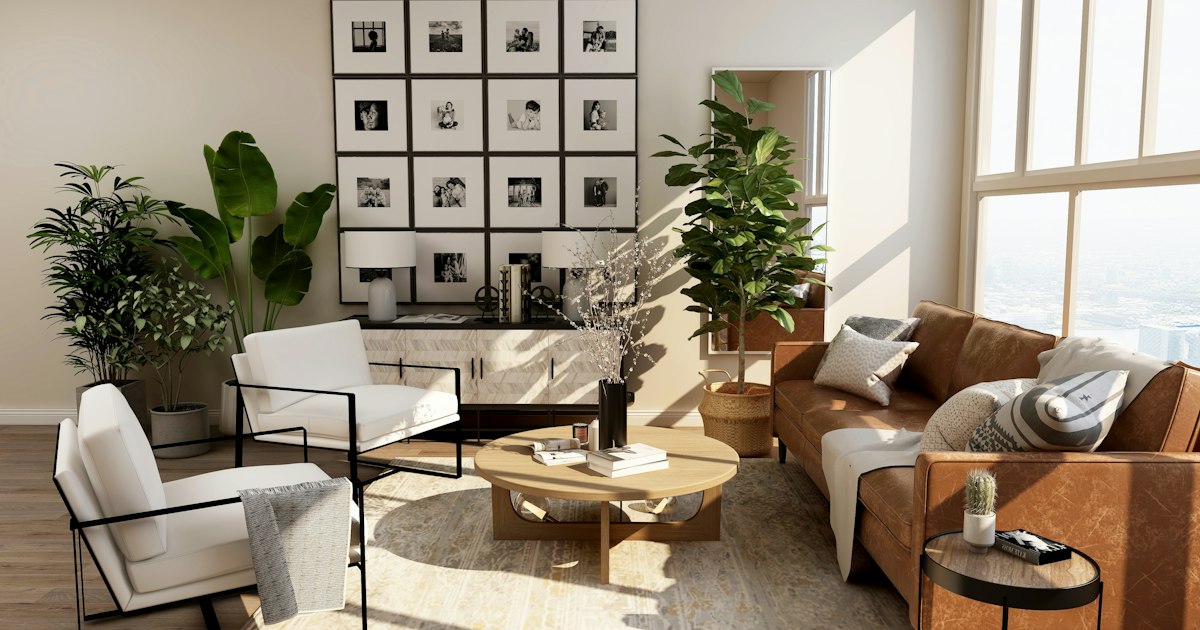
You will still buy every loose and consumable item in the home, since semi-furnished covers the fixed shell and built-ins, not the things you carry in through the door. Budgeting for this list upfront prevents the common surprise of a finished house that cannot be slept in on the first night.
Your own shopping list usually covers:
- Beds, mattresses, sofas, and dining furniture.
- Major appliances such as a fridge, washing machine, microwave, and in many cases the cooker.
- Kitchenware: pots, pans, cutlery, crockery, and small appliances.
- Soft furnishings: curtains, blinds, rugs, bed linen, and towels.
- Decor and personal items: artwork, lamps, mirrors, and storage baskets.
- A television and any entertainment or networking equipment.
Furniture is a meaningful line in any Ghana home budget, and prices climb for imported pieces. If you are weighing the full cost of ownership against building from scratch, the furnishing spend sits alongside land, construction, and finishing in your total budget. Treat the furniture list as part of the purchase, not an afterthought.
Why Does Semi-Furnished Suit Diaspora Buyers Moving In Quickly?
Semi-furnished homes suit diaspora buyers because they remove the hardest part of a long-distance purchase: coordinating trades and installations from another country. With the kitchen, wardrobes, and bathrooms already fitted, the buyer only arranges loose furniture, which can often be delivered in a single window close to arrival.
The diaspora market is large enough to shape how developers build. Ghana received nearly $8 billion in foreign remittances in 2025, the Finance Minister reported in June 2026. A share of that money flows into property, and buyers sending funds from abroad value formats that limit the number of moving parts they must manage remotely. Our diaspora guide to buying property in Ghana from abroad covers the paperwork and payment side that sits alongside this choice of format.
Consider the practical difference. Fitting a kitchen from overseas means hiring a carpenter, buying materials, chasing a plumber, and inspecting the work, all through intermediaries. A semi-furnished home collapses that into a handover inspection and a furniture order. For anyone planning to visit for a few weeks and settle in during that trip, the time saved is the whole point. Buyers managing a purchase from abroad can plan the furniture delivery to land in the same week they arrive, so the house is livable almost immediately.
How Do You Evaluate the Quality of Included Finishes?
Judge finish quality by inspecting the parts that fail first: hinges, grout, joints, and electrical points. A semi-furnished home is only a saving if the installed items last, so a careful walkthrough before handover protects you from paying twice to replace cheap fittings within a year.
Work through these checks during your inspection:
- Cabinet and wardrobe hardware. Open and close every door and drawer. Soft-close hinges and solid runners signal better joinery than loose, rattling fittings.
- Tile and grout. Look for even grout lines, no hollow-sounding tiles, and sealed edges around wet areas.
- Electrical provision. Count sockets per room and check that switches and ceiling points work. Too few sockets forces extension leads later.
- Plumbing and water points. Run taps, flush toilets, and confirm the water heater and tank connections hold pressure.
- Air-conditioning and ventilation. Test any installed units and confirm they cool, not just power on.
- Warranties and inventory. Ask which fittings carry a manufacturer warranty, and get the included-items inventory in writing.
Finish quality tends to be more consistent inside a managed, gated development, where one standard applies across every home. Our guide to gated community real estate in Ghana explains how shared standards and maintenance affect what you can expect from the fittings over time. Pair that inspection with proper title and documentation checks, and you have covered both the physical and the legal side of the purchase.
Making the Decision
A semi-furnished home earns its keep when it genuinely shortens your path to living in the house without hiding weak fittings behind a tidy showroom finish. The deciding factor is the written inventory and a hands-on inspection, not the marketing label on the listing.
Your next concrete step is simple: request an itemised list of included fittings from any property you are considering, then book a walkthrough using the six checks above. For a semi-furnished four-bedroom home near Aburi, that inventory and inspection will tell you exactly where The Aseda Village sits on the spectrum, and precisely what you still need to budget for before you move in.