
← Back to the blog
gated community ghana real estate
Gated Community Ghana Real Estate: What Buyers Should Know
A buyer's guide to gated community Ghana real estate: security, value, amenities and the key questions to ask before you commit.

A gated community in Ghana is worth the premium when it delivers three things a standalone house cannot: controlled access, maintained shared infrastructure, and a management structure that enforces standards over time. If any of those are missing, you are paying for a wall. This guide explains how to tell the difference in the gated community Ghana real estate market, and what to check before you sign.
The timing matters. Ghana's housing deficit now exceeds 1.8 million units, a shortfall the Minister for Works and Housing attributed to rapid urban growth in cities like Accra and Kumasi (MyJoyOnline, January 2026). That pressure pushes serious buyers toward estates that solve for security and services in one purchase.
What Defines a True Gated Residential Community in Ghana
A true gated community is a planned development with one controlled entrance, legally registered common land, a homeowners association or management company, and shared infrastructure the residents fund together. The fence is the least important part. The ownership and management structure is what you are really buying into.
Many developments market themselves as "gated" with little more than a boundary wall and a security post. The useful test is to ask what happens behind the gate. Who owns the internal roads? Who maintains the water system and the backup generator? Who enforces the rule that stops a neighbour from building a workshop next to your bedroom window? In a genuine community, those answers are written down.
Shared infrastructure is the practical core. Internal roads, drainage, street lighting, water storage and a common power backup are expensive to build and maintain alone. A well-run community spreads that cost across every household through a service charge, which is why the charge exists and why you should read how it is calculated.
For diaspora buyers evaluating this from abroad, the documentation layer is non-negotiable. Our diaspora guide to buying property in Ghana walks through title verification at the Lands Commission, which applies to gated purchases just as it does to any other.
Security, Amenities and Lifestyle Benefits of Gated Living
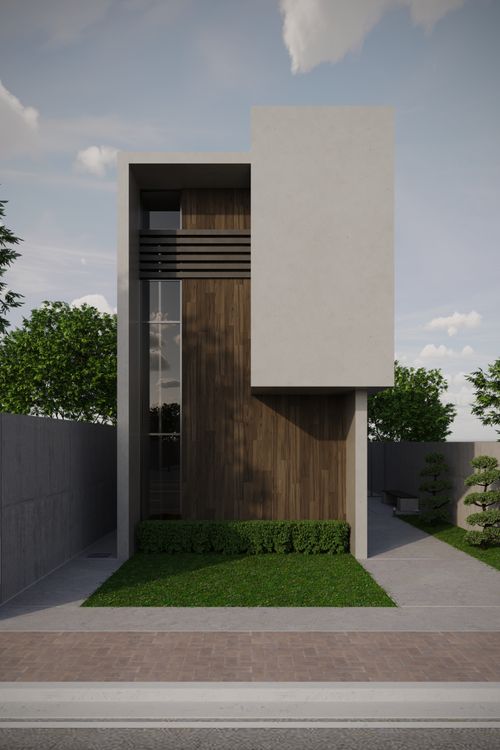
The main draw of gated living is layered security: a single monitored entrance, perimeter control, and neighbours who recognise each other. For a household that travels, or an owner living abroad, that controlled access is the difference between a house that sits exposed and a home that is watched.
Security is the headline, but the daily benefits are quieter. Children can cycle on internal roads without traffic. A managed estate keeps shared power and water running when the wider grid falters. Common green space and a clubhouse or pool, where provided, give residents amenities that would be unaffordable to build and staff privately.
There is a social dimension that buyers underrate. A defined community with shared rules tends to attract owners who value the same things: order, upkeep and quiet. That shared expectation is what keeps standards steady, and it is far easier to maintain when a management company has the authority to act.
A semi-furnished home adds a further layer of convenience for anyone buying remotely. The Aseda Village sells semi-furnished four-bedroom homes in a private community near Aburi, which means a diaspora owner can hand over keys to family or a tenant without first shipping a container of furniture.
How Gated Community Ghana Real Estate Protects Value Over Time
Gated communities protect value by controlling the variables that erode it elsewhere: inconsistent building quality, encroachment, poor roads and unpredictable neighbours. Enforced standards keep every plot working in favour of the others, and that consistency is what a future buyer pays a premium for.
Ghana's market makes this especially relevant. With a housing deficit above 1.8 million units and a population that is urbanising fast, demand for well-located, well-managed homes is structural rather than seasonal. Scarcity rewards the developments that stay orderly.
Financing shapes behaviour here too. Mortgage use in Ghana remains very low as a share of households, so most estate purchases are funded with cash or diaspora savings. Cash buyers are selective, and they pay for certainty: clean title, maintained roads and a credible management structure. A gated community that documents all three is easier to resell than an isolated house of equal size.
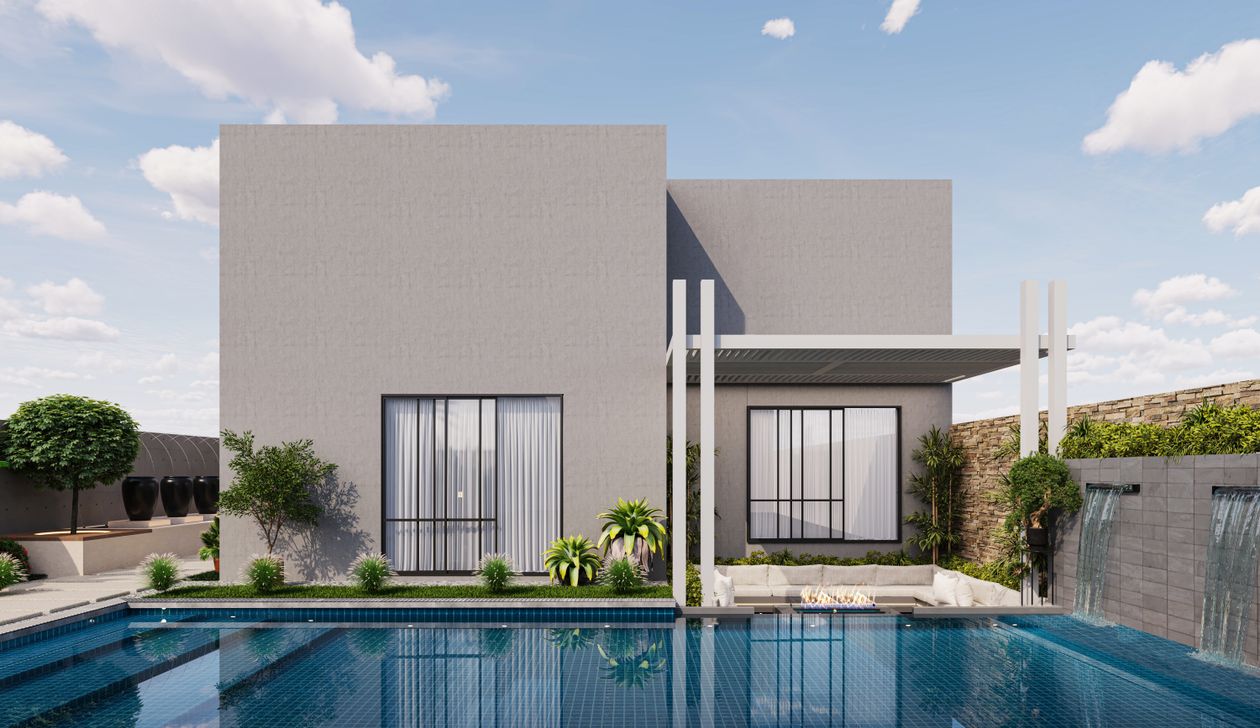
Maintenance discipline is the engine behind all of this. A community that collects a realistic service charge and spends it on roads, drainage and security keeps appreciating. One that underfunds upkeep will look tired within a few years, and the gate alone will not hold the value.
Comparing Gated Developments Around Accra and Aburi
The choice between Accra and Aburi comes down to a trade between proximity and space. Accra estates put you close to offices, international schools and Kotoka airport, usually on smaller plots at higher prices. Aburi, in the hills to the north, offers cooler air, larger plots and quiet, within commuting reach of the capital.
Accra's prime residential pockets, such as East Legon, Cantonments and Airport Residential, command the steepest prices in the country. The appeal is convenience: everything a professional or returning diaspora family needs sits within a short drive. The cost is density, traffic and smaller outdoor space per home.
Aburi reads differently. The elevation brings a noticeably cooler climate, and land is more generous, so a gated community there can offer four-bedroom homes with real gardens rather than courtyards. For buyers who want a primary residence, a weekend retreat or a long-term asset away from city congestion, that combination is hard to find inside Accra. If you are weighing locations specifically around the hills, our guide to houses for sale in Aburi covers the local market in detail.
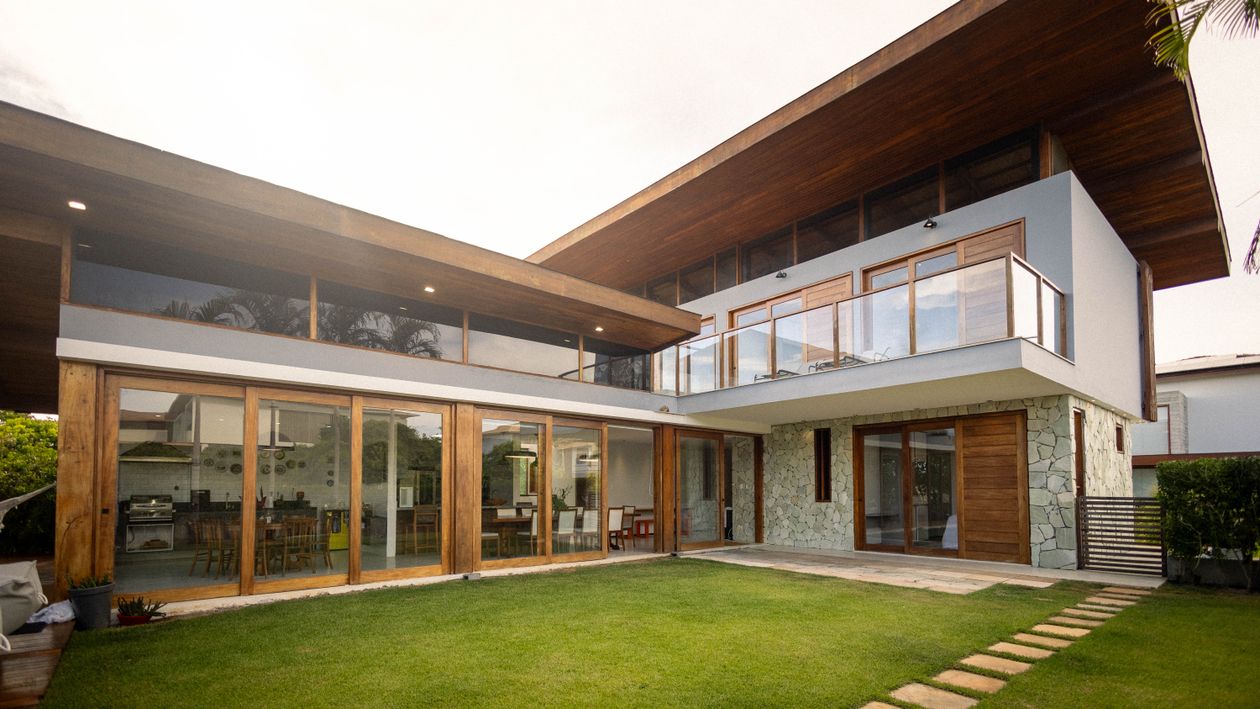
Neither location is objectively better. A buyer who commutes daily to a Ridge or Airport office may value an Accra address above all else. A buyer who works remotely, or who is investing from abroad for family use, often finds Aburi delivers more home and more calm for the money.
Questions to Ask Before Buying Into a Gated Community
Before you commit, treat the purchase as due diligence, not a viewing. The right questions expose whether the "community" is real or decorative, and whether the economics hold up after you move in. Ask them in writing and keep the answers.
Start with the five that matter most:
- Who holds the land title, and is it registered? Confirm the title at the Lands Commission and check that the specific plot sits within the registered site. Do this before any deposit.
- What is the service charge, and what does it cover? Ask for the current figure, how it is calculated, and the last two years of actual spend on roads, water, power and security.
- Who owns and maintains the common areas? Internal roads, drainage and amenities should have a clear owner, usually a management company or homeowners association, not a vague promise.
- What is the developer's track record? Ask to visit completed, occupied phases and to speak with existing residents about reliability and upkeep.
- What are the building and resale rules? Understand restrictions on construction, rentals and resale, since these protect value but can also constrain you.
Two further checks save money later. Confirm the backup water and power arrangements in detail, because these are the services that fail first and cost most to retrofit. And confirm what is included in the sale: a semi-furnished handover, for example, changes both your upfront budget and how quickly the home can be occupied or let.
For diaspora buyers, build independent verification into every step. Appoint a Ghanaian lawyer who does not work for the seller, insist on documentary proof rather than assurances, and only release funds against verified title. A credible developer will welcome that scrutiny.
Your Next Step
If you are comparing gated options near Aburi, turn this guide into a checklist and take it to a site visit. Book a viewing of an occupied home, ask for the title documents and the last two years of service-charge spending, and speak to a resident who already lives behind the gate. That single visit will tell you more about a community's future value than any brochure, and it is the clearest way to decide whether the premium is worth paying.