
← Back to the blog
moving back to ghana
Moving Back to Ghana: A Returnee's Checklist
Moving back to Ghana as a diaspora returnee? Use this checklist for timelines, shipping, documents, banking and settling in near Aburi.

Moving back to Ghana works best when you treat it as a nine to twelve month project, not a last-minute flight home. The order you do things in matters: shipping, documents and housing take the longest, so they decide when you can actually land and settle. This checklist walks through each stage, from the first planning spreadsheet abroad to your first ordinary morning in a Ghanaian kitchen.
Relocating to Ghana as part of the diaspora is more common than it was a decade ago, and the groundwork is easier too. Inflation has cooled, mobile money reaches almost everyone, and banks increasingly cater to returning customers. What still trips people up is sequence and timing. Get those right and the move feels like a series of manageable steps rather than one overwhelming leap.
How Far Ahead Should You Plan Moving Back to Ghana?
Plan your relocation to Ghana around a nine to twelve month timeline, working backwards from your target arrival month. The two items that set the pace are shipping a container, which spends weeks in transit, and assembling documents, which depends on how fast offices and consulates respond. Everything else slots around those two.
Start by picking a rough arrival window, then build a simple calendar. In the first few months, decide what you are shipping versus selling, get quotes from freight forwarders, and renew any passports or national documents that expire soon. In the middle months, confirm your housing and open conversations with a Ghanaian bank. In the final stretch, book flights, notify schools and employers, and schedule the container so it arrives close to, but not long before, you do.
Returnees who rush this stage tend to pay for it later, either in storage fees for a container that beat them to Tema, or in weeks spent in a hotel because housing was not settled. A written timeline with a named owner for each task is the single most useful tool here. If you are weighing whether to buy before you arrive, map out which steps you can complete remotely and which must wait until you land.
What Housing, Shipping and Documents Do Returnees Need?
Housing, a shipping plan and a clean document trail are the three essentials that make or break a return. Sort housing first, because your address anchors almost everything else: where the container goes, where utilities connect, and the proof of residence that banks and other services ask for.
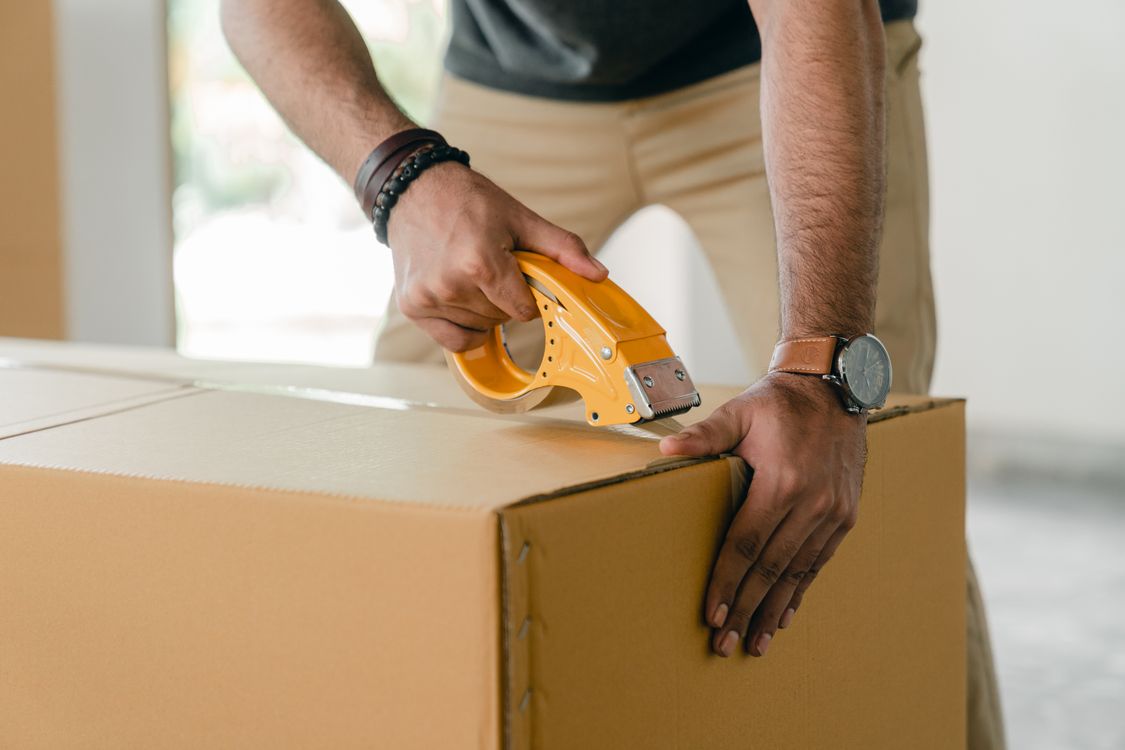
On shipping, decide early whether a full container is worth it. For many returnees, shipping a 20-foot container of furniture and belongings makes sense only when the sentimental or replacement value is high. Appliances built for other electrical standards may not suit Ghana's supply, so check voltage and plug types before you pack them. Ghana Customs offers relief provisions for the used personal and household effects of returning residents, but the conditions and limits change, so confirm the current rules with the Ghana Revenue Authority before you ship. The World Bank's overview of Ghana's economy and development indicators is a useful independent reference while you budget.
On documents, build a folder you can carry and scan:
- Valid passports for every family member, renewed well before expiry
- Birth and marriage certificates, plus any dual-citizenship paperwork
- Academic and professional certificates, which you may need for work or school enrolment
- Proof of your intended Ghanaian address
- An international or converted driver's licence, with a plan to obtain a Ghanaian one
For the property paperwork itself, verify the land title at the Lands Commission before any money changes hands, so you avoid the disputes that catch out buyers who skip due diligence.
How Do You Set Up Utilities, Banking and Local Services?
Set up a local phone number first, because it unlocks nearly everything else: mobile money, bank verification codes, and utility accounts. Buy a SIM from a major network on arrival, complete the SIM registration, and you have the hub that connects your new daily life in Ghana.
For electricity, the Electricity Company of Ghana (ECG) runs prepaid metering in most residential areas, so you top up credit rather than wait for a monthly bill. Water connects through the local utility, and many homes keep a storage tank and sometimes a borehole to smooth over supply gaps. Internet comes from a mix of fixed providers and mobile data, and coverage near the hills around Aburi has improved steadily.
Banking takes the most lead time. Several Ghanaian banks let diaspora customers begin opening an account online, then finish verification in person once you land. Open the account early so your salary, rent and transfers have somewhere to go from day one. Mobile money sits alongside the bank for everyday payments, from the market to the electrician, and setting it up takes minutes once your SIM is registered. If a mortgage is part of your plan, open the conversation with lenders early, since diaspora applicants are often asked for additional proof of income and residency.
What Is Daily Life Like for Diaspora Returnees?
Daily life for returnees settles faster when the first-year budget is realistic, and the numbers now help. Ghana's consumer price inflation eased to 5.2% year-on-year in September 2026 (Ghana Statistical Service, 2026), a sharp fall from the double-digit rates of recent years that makes planning rent, food and transport far more predictable.
Beyond the budget, the social side is where returning diaspora often feel the biggest shift. The pace is different, relationships run on trust built over time, and services that felt instant abroad may take a few extra steps here. Returnee communities and diaspora groups are active and welcoming, and plugging into one early shortens the adjustment curve. Markets, neighbours and local associations become your practical support network.
Location shapes the experience. Living in the greener, cooler setting around Aburi gives you distance from the intensity of central Accra while keeping the capital within reach. The trade-offs returnees weigh between the city and the hills come down to commute, climate and community, and Aburi lets you keep a foot in both. How quickly does a move stop feeling like a move? For most families, it is the point where the daily routine runs on autopilot, and that comes sooner when the home itself is already sorted.
How Does a Ready Home Ease the Transition?
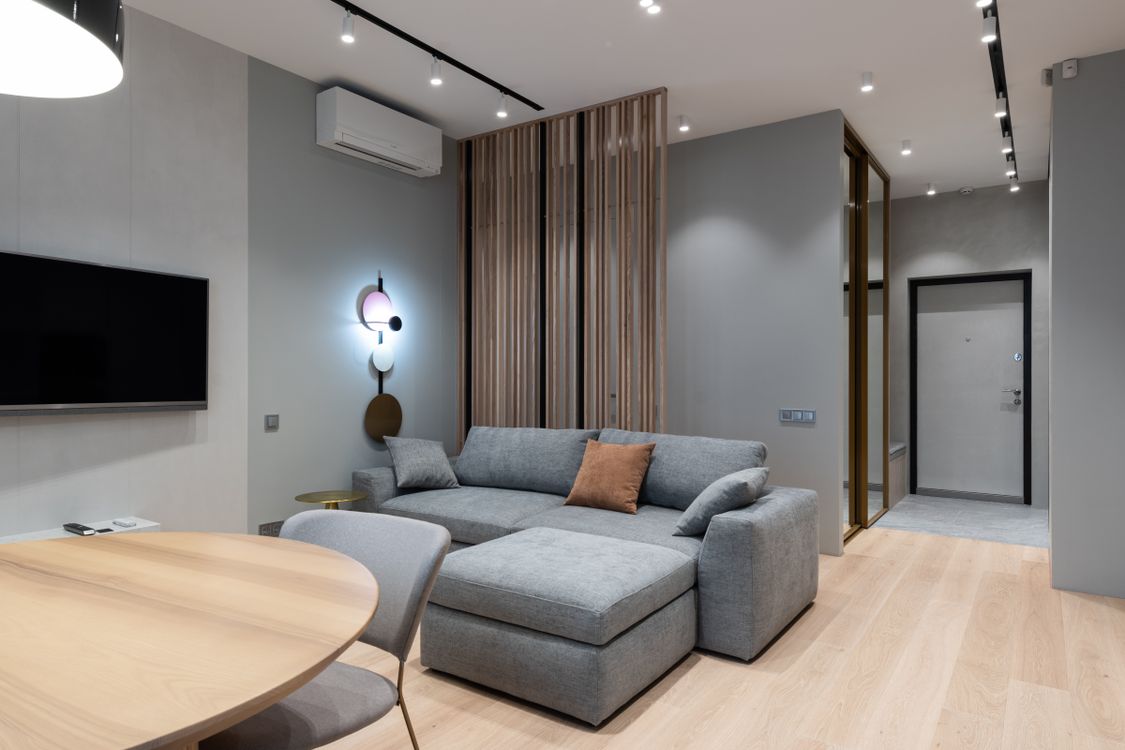
A ready, semi-furnished home removes the single hardest part of relocating, which is making a house livable while juggling banking, utilities and paperwork. When the beds, major appliances and core fittings are already in place, you move in and start living instead of sourcing a fridge during your first chaotic week.
This is where a semi-furnished property earns its keep. You arrive to a functioning home, connect the prepaid meter, register your SIM, and handle the admin from a comfortable base rather than a hotel room. The Aseda Village was built around this reality for returnees: semi-furnished four-bedroom homes in a private residential community near Aburi, close enough to Accra to stay connected and far enough to breathe. For a clear sense of what that includes, see our explainer on what semi-furnished homes actually include.
The goal of every item on this checklist is the same: to compress the gap between landing and feeling at home. A move-in-ready house does more of that work than any other single decision, because it turns your first weeks from a construction project into an ordinary life.
Your next concrete step: set your target arrival month, then work backwards to schedule shipping and documents around it. Once that timeline exists on paper, book a viewing or a virtual walkthrough of a ready home so your housing is locked before the rest of the plan depends on it.