
← Back to the blog
gated community
Gated Community Living: The Security Benefits
How gated community security in Ghana protects residents through controlled access, surveillance, and shared rules that hold property value.
A gated community improves security mainly by shrinking the number of ways a stranger can reach your home: one controlled entrance replaces the open street, and shared walls, cameras, and staff cover ground that a single household never could. For homebuyers and diaspora investors weighing gated community security in Ghana, that structure is the practical difference between a home that is watched and one that is simply hoped to be safe.
This matters more as crime figures draw attention. Ghana's Interior Ministry recorded 628 robberies and 340 murders in the first half of 2025, against 1,219 robberies and 552 murders for all of 2024, according to The Ghanaian Chronicle. Those are national numbers, not a verdict on any neighbourhood, but they explain why controlled residential environments keep gaining interest.
How controlled access protects residents in a gated community
Controlled access is the foundation of gated community security in Ghana, because it turns an open approach into a managed one. Instead of a street anyone can walk or drive down, an estate has one staffed entry point where every visitor is seen, questioned, and logged. Opportunistic crime depends on easy, unnoticed entry, and that condition disappears at a manned gate.
The method is simple and layered:
- Residents pass through a known access system, whether a key card, a code, or recognition by gate staff.
- Visitors are stopped, verified against the resident they claim to be visiting, and recorded.
- Delivery drivers and contractors are granted temporary, tracked access rather than free movement.
Because entry is a chokepoint, a small security team can cover an entire community. A lone house on a public road has none of this. Its gate, if it has one, is only as alert as whoever happens to be home.
Controlled access also changes behaviour over time. When residents know every car and face is checked at the gate, they report anything unusual sooner, and would-be intruders learn the estate is not worth the attempt. That steady, shared vigilance is hard to build on an open street, where each household is left to guard itself and no one is responsible for the whole.
On-site surveillance and gated community security features
On-site security works best as a set of overlapping layers, so that no single failure leaves the estate exposed. A good gated community in Ghana combines a physical boundary, electronic monitoring, and human presence. Each layer buys time and visibility that the others build on.

Typical features include:
- A perimeter wall or fence that defines the boundary and removes the casual shortcut into the estate.
- CCTV covering the entrance and shared spaces, which both deters and records.
- Lighting across roads and common areas, since well-lit space is far less attractive to intruders.
- Trained personnel at the gate and on patrol, able to respond rather than only observe.
- Backup power for gates, cameras, and lights, so security does not lapse during an outage.
The last point deserves weight in Ghana, where a power cut should never mean an open gate or a dead camera. When these layers are present and maintained, the estate stays protected even when one element is briefly down. At communities such as Aseda Village near Aburi, this is the baseline a private residential setup is built to provide.
Community rules that maintain safety and value
Shared rules are what keep a gated community safe and valuable long after the gate is installed. Security hardware fades without upkeep, and an estate drifts into disorder without agreed standards. Enforced rules on maintenance, parking, noise, and building work keep the environment predictable, and predictability is itself a form of safety.
Clear rules do several things at once:
- They keep roads and sightlines clear, so cameras and patrols are not blocked.
- They ensure lighting and shared systems are funded and repaired, not left to decay.
- They hold building and renovation work to a standard, which protects the look and value of every home.
- They set expectations for behaviour, reducing the friction that leads to disputes.
This is where safety and investment meet. An orderly, well-kept estate holds its appeal to future buyers and tenants, which protects resale value and rental demand. If you are evaluating an estate, read its rules as closely as its security plan. For buyers verifying the legal side as well, our guide on how to verify land title in Ghana and avoid litigation covers the documentation that should sit alongside any community agreement.
Peace of mind for travelling diaspora owners
For diaspora owners who spend long stretches abroad, a gated community answers the hardest problem of owning a home in Ghana: who watches it when you are not there. A standalone property left empty for months signals opportunity. A home inside a managed estate sits behind a staffed gate, a monitored perimeter, and neighbours who notice movement.
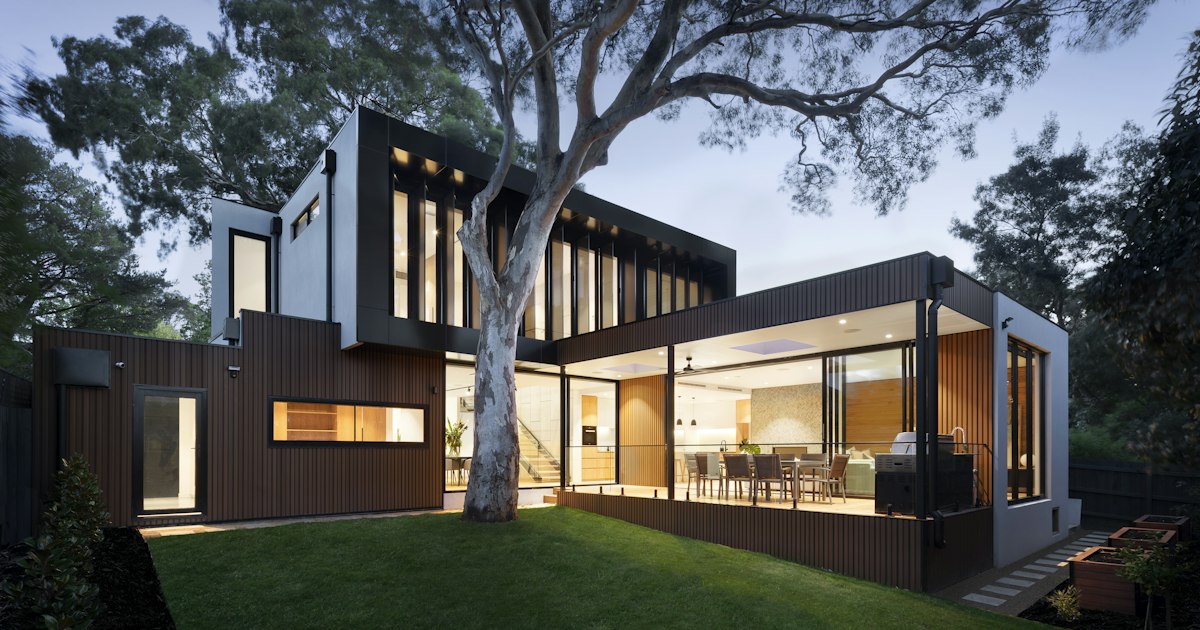
That oversight is practical, not abstract. Gate staff control who enters, patrols check the grounds, and shared maintenance keeps the property from looking abandoned. An unkept lawn and a dark house advertise an absent owner, while a maintained home inside an active community does not stand out. For an investor buying from overseas, this changes the risk profile of the purchase. If you are planning a purchase from abroad, our guide on how to buy a home remotely from the diaspora walks through the steps of acquiring and managing a property you cannot visit often.
The result is a home you can leave with confidence, knowing the estate's structure is doing the watching while you are thousands of miles away.
Beyond security: shared amenities and belonging
The benefits of a gated community reach past safety into daily life and a sense of belonging. The same controlled layout that keeps strangers out also creates a quiet, private setting where shared amenities can exist. Internal roads carry only residents and their guests, which makes the space calmer and safer for children and older family members.
Shared amenities often include green areas, recreational space, and well-kept common grounds that a single household would struggle to build and maintain alone. Because these are funded and managed collectively, they stay in good condition. Living behind the same gate also tends to build a community of neighbours who recognise one another, and familiar faces are a security asset in their own right.
Near Aburi, that setting pairs with the appeal of the surrounding hills and cooler climate, a draw explored in detail in the posts linked across this blog. For many diaspora buyers, the combination of safety, upkeep, and community is the real return on choosing a gated estate over an isolated plot.
Making the decision
If security is high on your list, treat it as something to inspect, not assume. Before you commit to any gated community in Ghana, visit the entrance and watch how visitors are handled, ask to see where cameras point and who monitors them, confirm how power outages are covered, and request a copy of the community rules. An estate that answers these questions plainly, as a well-run private community near Aburi should, is one where the security benefits are real rather than marketed. Start with a site visit and a written list of these questions, and let the gate prove itself before you buy.